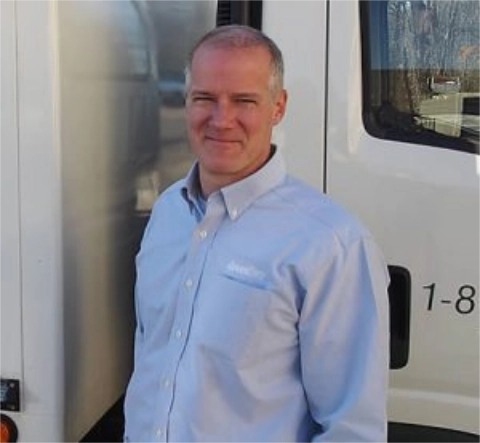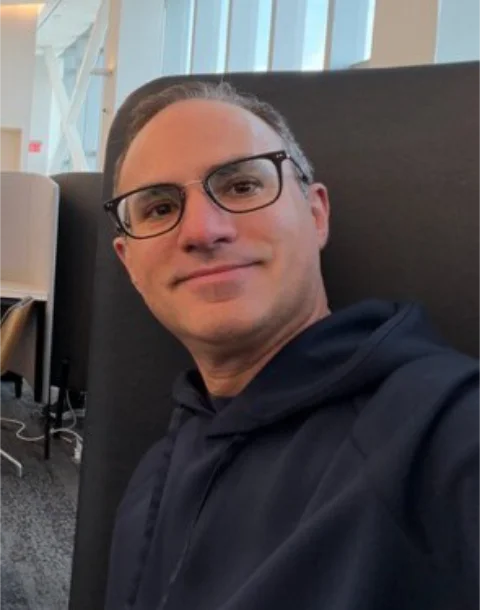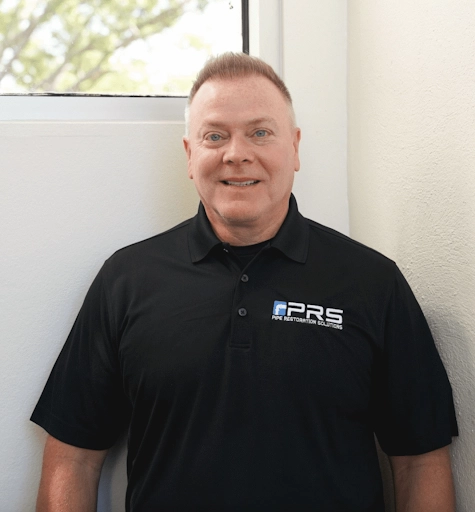
Allison Heaney, President of Skaggs-Walsh, sat down with David Rudisill, President of Pipe Restoration Solutions, the leading CIPP specialist for commercial, complex projects and multi-unit buildings in Florida and California. Both run companies built on the same philosophy: preventing catastrophic infrastructure failures through proactive maintenance. Here’s what they discussed about why reactive repairs cost property owners far more than preventive strategies.
Q: What made you realize that proactive maintenance was the business model, not just emergency repairs?
A: The turning point was watching property owners make the same mistake repeatedly. They’d ignore aging pipe systems until they experienced a serious sewer leak or a shower drain backup forced emergency action. Then they’d pay 2-3 times more for expedited repairs, deal with building shutdowns, and scramble to manage tenant relations during a crisis.
We realized the real value wasn’t being the fastest emergency responder, it was being the partner who helped property owners prevent costly infrastructure failures before they occured. It’s similar to what you’ve done with mechanical systems. You don’t wait for boilers to fail in winter or HVAC systems to die in summer, you catch problems during scheduled maintenance when they’re manageable.
Q: How do you handle property owners who treat maintenance as an expense to minimize rather than insurance against catastrophic costs?
A: Some property owners only see the invoice for preventive maintenance, not the avoided cost of emergency failures. We’ve started showing them the math differently.
A scheduled camera pipe inspection often costs only a few hundred dollars and can identify deterioration years before a failure occurs. If we find issues, trenchless pipe rehabilitation during a planned maintenance window means our clients don’t have to deal with emergency service premiums, expedited material costs, operational shutdowns, and potentially relocating tenants or closing businesses. Those factors can dramatically increase the total cost of a pipe rehabilitation project.
For multi-story buildings especially, the difference is exponential. Replacing vertical drain stacks reactively means opening walls on every occupied floor. Rehabilitating them proactively through trenchless pipe lining during scheduled low-occupancy periods significantly reduces both the disruption and the cost.
Q: How do you get commercial property managers to think about underground infrastructure the same way they think about mechanical systems?
A: We position it as total building health. Your HVAC systems, electrical panels, and plumbing fixtures are visible and obvious. When they fail, everyone notices immediately. Underground pipe infrastructure deteriorates just as predictably, but it’s hidden until warning signs such as slow drains, recurring backups, foul odors, or sewer leaks begin to appear.
The property managers who succeed treat every major building system with the same proactive discipline. They have maintenance contracts with mechanical specialists like Skaggs-Walsh for HVAC and electrical inspections, and they’re adding underground pipe assessments to that same preventive framework.
It’s all the same philosophy: scheduled assessments identify problems early, planned maintenance costs less than emergency repairs, and operational continuity is worth protecting.
Q: Do multi-story buildings create similar complexity for underground infrastructure as they do for mechanical systems?
A: Absolutely. In fact, it’s often worse because of access challenges. When a mechanical system fails in a high-rise, at least you can usually access the equipment room without major demolition. When vertical drain stacks corrode inside walls across 20 floors, traditional replacement means opening walls on every level, displacing occupants, and coordinating access floor by floor.
We’ve specialized in trenchless rehabilitation specifically for these scenarios, allowing aging drain, waste, and vent systems to be restored without the extensive demolition associated with traditional replacement. We can access vertical stacks from roof or basement entry points and reline the entire system without damaging interior walls. The building usually stays occupied, operations typically continue, and projects are often completed in weeks rather than months.
That’s the commercial property owner’s dream: solving critical infrastructure problems without operational chaos. It’s the same reason they work with you for mechanical systems instead of waiting for emergency HVAC failures.
Q: What’s the first step for property owners who want to build a real preventive maintenance program for their infrastructure?
A: Start with assessment, not assumptions. You can’t maintain what you don’t understand. Get comprehensive camera pipe inspections for your underground systems, just like you’d schedule HVAC efficiency testing or electrical panel inspections. That documentation becomes your baseline.
Once you know actual system conditions, you can prioritize strategically. Critical issues get immediate attention, moderate deterioration gets scheduled during slow periods, and systems in good shape move to regular re-inspection cycles.
Then find service partners who specialize in preventive maintenance strategies, not just reactive repairs. Whether that’s mechanical contractors like Skaggs-Walsh for your HVAC and plumbing, or infrastructure specialists for your underground systems, work with providers whose business model aligns with preventing failures, not just responding to them.
The property owners who build comprehensive preventive maintenance programs sleep better, spend less on emergency repairs, and protect their buildings’ operational continuity.
Pipe Restoration Solutions is the leading CIPP specialist for commercial, complex projects and multi-unit buildings in Florida and California. Learn more at piperestorationsolutions.com.