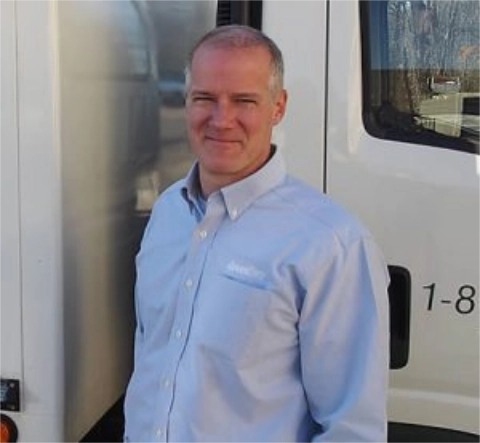
Today, we are joined by Sean Greenhow, President and CEO of Greenhow, a locally owned, family-run pest control company serving single-family homeowners in Massachusetts. The firm’s technicians complete more certified pest management training hours in their first year than any other independently owned pest control company in Massachusetts. In a conversation grounded in what it really takes to protect home comfort systems over the long term, Sean shares how pest activity often intersects with HVAC performance, insulation integrity, and overall energy efficiency.
Q1: When homeowners think about comfort issues like uneven temperatures or rising energy bills, pests are rarely the first thing that comes to mind. How often are those problems actually connected?
Sean Greenhow: More often than people realize. We regularly see situations where a homeowner calls an HVAC company because something “feels off,” but the root cause isn’t mechanical; it’s environmental. Rodents or insects get into insulation, ductwork, or crawlspaces, which can affect airflow and thermal performance.
For example, compromised insulation from nesting can reduce its effectiveness dramatically. That forces heating and cooling systems to work harder, which shows up as higher energy bills or uneven temperatures. It’s not always obvious because the system itself hasn’t failed – it is simply operating in a degraded environment.
One of the biggest misconceptions is assuming comfort issues are always tied to equipment. In reality, the system and the surrounding structure are closely linked.
Q2: From a risk perspective, what types of pest-related damage to HVAC systems or home infrastructure tend to be the most costly if left unaddressed?
Sean Greenhow: The most expensive problems usually come from things that start small and go unnoticed. Rodents chewing on wiring is a big one. We have seen that lead to system failures or even safety concerns. Then there’s ductwork damage, where pests create openings that disrupt airflow efficiency.
Insulation damage is another major factor. Once insulation is compromised, you’re not just dealing with pest removal; you’re looking at replacement costs and the downstream impact on system performance. The pattern we see is escalation. A minor entry point becomes an infestation, which then affects multiple parts of the home.
Q3: Homeowners are used to scheduling seasonal HVAC maintenance. How should pest prevention fit into that same routine?
Sean Greenhow: It should be part of the same mindset. If you’re preparing your heating system for winter or your cooling system for summer, that’s the ideal time to assess pest vulnerability as well.
Seasonal transitions are when pests look for shelter, so aligning inspections with those periods makes sense. A complete approach would include checking entry points, evaluating insulation and attic spaces, and making sure there’s no early activity around ductwork or mechanical areas.
What we recommend is thinking in terms of a system and not separate services. HVAC maintenance ensures your equipment runs properly, while pest prevention ensures the environment around it doesn’t undermine that performance.
Q4: You’ve emphasized training as a differentiator. How does technician expertise influence the ability to identify these cross-system issues?
Sean Greenhow: Training changes what you can see. A well-trained technician isn’t just looking for pests but primarily for conditions. That includes how insulation is holding up, whether there are signs of airflow disruption, or if certain areas are more vulnerable based on the structure of the home.
We invest heavily in early training because these issues aren’t always obvious. It takes experience to connect something like a small entry point to a larger pattern of risk. From a homeowner’s perspective, that’s important because you’re not just hiring someone to solve a visible problem – you’re relying on them to identify what hasn’t surfaced yet.
Q5: For homeowners trying to manage long-term costs and avoid unnecessary repairs, what practical steps would you recommend to protect both their comfort systems and their home overall?
Sean Greenhow: The biggest step is shifting from reactive to preventive thinking. Once you’re reacting, costs are already higher because the problem has expanded.
Start with regular inspections, ideally before peak heating or cooling seasons. Pay attention to areas like attics, basements, and crawlspaces, because that’s where many of these issues begin. And don’t ignore small signs, like minor insulation disturbance or subtle changes in airflow. Another key point is coordination. If you’re having HVAC work done, it’s worth asking whether the surrounding conditions have been evaluated. The more aligned those efforts are, the better the outcome.
The goal is to protect the system and the structure together. When you do that, you’re not just improving comfort – you are also avoiding the kind of compounded repairs that tend to catch homeowners off guard.